TabetAI › Calorie counter for Asian food
A calorie counter that knows Asian food
Most calorie apps were built around a Western supermarket. If your week is chicken rice, cai fan, ramen, a bento or a bowl of 滷肉飯, you end up guessing or building the dish by hand. TabetAI reads the plate in front of you instead.
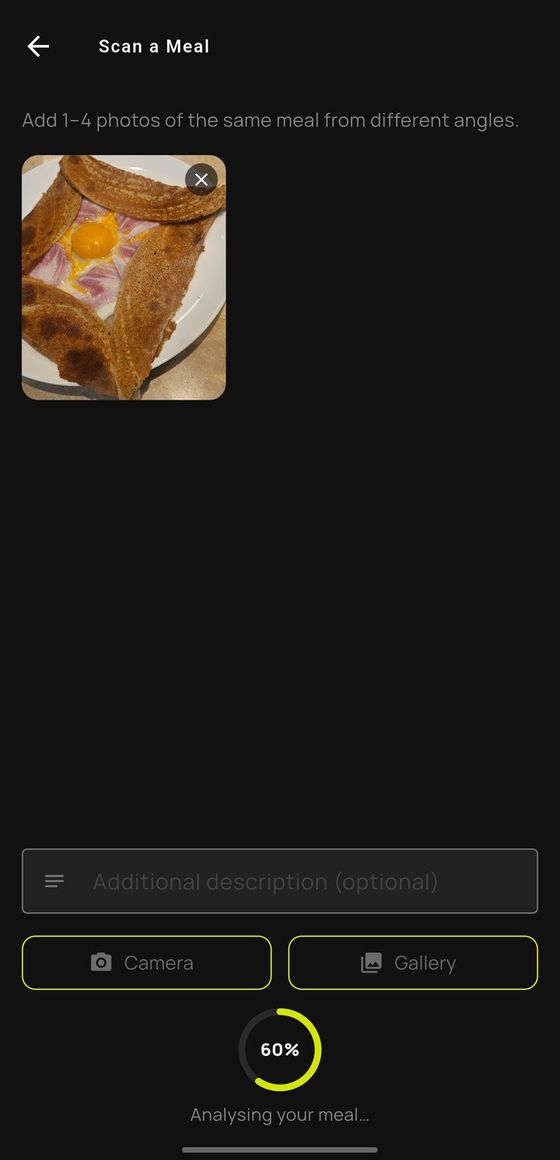
How it works with a mixed plate
- One photo, every ingredient. A plate of economy rice is split into the rice and each dish on it, each with its own calories, protein, carbs and fat.
- Up to four angles. For a deep bowl or a stacked tray, add a second, third or fourth photo so the portions are clearer.
- Fix anything before you save. Less rice, no skin, sauce on the side: change a portion or swap an item and the totals update.
- Snap and go. Take the photo at the hawker centre and put your phone away; the AI finishes in the background.
- Type it when there is no photo. "Half a plate of char kway teow and a teh tarik" works as a sentence.
Dishes people log every day
Hainanese chicken rice, nasi lemak, cai fan (economy rice), laksa, char kway teow, roti prata, rendang, bak kut teh, ramen, sushi, onigiri, a konbini bento, 定食 sets, 滷肉飯, beef noodle soup, dim sum, congee, bibimbap and kimchi stew. None of them need to be in a database first, because the estimate starts from the photo.
Single ingredients, checked against USDA data
For the plain foods behind those dishes, the nutrition pages on this site list public USDA values per 100 g and per common portion: white rice, glutinous rice, congee, fried rice, rice noodles, soba, firm tofu, edamame, chicken thigh, bok choy, kimchi, miso, durian and lychee. Browse all foods.
In your language
The app and its AI results are in English, 日本語, 简体中文 and 繁體中文, so a dish keeps its own name instead of a rough translation.
TabetAI is a dietary tool, not medical advice. Photo estimates are estimates: you can adjust every portion before you save.
Try it on your next plate
Five AI scans a day, free. No card, no trial clock.
More comparisons: all of them on one page.